When retailers adopt policies on the safety of the products they sell, it’s called retail regulation.
Tag: chemicals
Defective Products May Cause Serious Personal Injury
You can see the advertisements on television all the time—women running their fingers through their hair, happy because they have dyed their hair to a “brilliant” color. But what happens if the hair dye is a defective product? After all, hair dye contains chemicals that come in close contact not only with your scalp, but with your eyes, nose and mouth, creating the potential for a serious personal injury. Some women say they suffered severe burns after using hair products, including dyes and relaxers.
According to the FDA, some problems reported from hair dyes include hair loss, burning, redness, itchy or raw skin, swelling in the face and trouble breathing. Sometimes, the issue is an allergic reaction, and the FDA warns that such a reaction can occur even after years of using a hair dye product.
Some lawsuits have been filed against hair dye makers, alleging their product caused women to permanently lose their hair. In 2006, a lawsuit was filed against Procter & Gamble, alleging that Clairol “Nice ‘n Easy” hair dye left the plaintiff with chemical burns on her scalp and caused her hair to fall out.
Hair dye chemical burns do not just happen at home. In fact, lawsuits have been filed against salons alleging that clients suffered chemical burns during hair dye treatments. In 2014, a woman filed a $12,000 lawsuit, alleging she suffered a severe chemical burn to her scalp. Her lawsuit seeks expenses for medical care as well as damages for physical and mental pain and suffering. An article in the FDA’s Consumer magazine notes that hair straighteners and hair dyes are among the agency’s Office of Cosmetics and Colors top consumer complaint areas. Although some complaints are caused by misuse of the product, others may be related to the product itself, and reactions vary from hair breakage to emergency room visits. According to the FDA article, there have been cases where products were labeled as “chemical free” when they actually contained ingredients that most people would consider “chemicals.” In those cases, the products were eventually removed from the market or had their labels changed. Chemical burns can be incredibly painful and can have severe consequences for victims. They can take a long time to heal, putting patients at risk for infections. The recovery can be expensive, requiring various medicines, including steroids, to heal the burns and creams to stop the pain. Of course, there is also the emotional impact associated with such chemical burns. The scarring of the head and face can be emotionally traumatic for a person, leading to depression and anxiety.
In cases where a defective product has caused personal injury, it is possible to file a lawsuit to hold the company accountable for putting a defective product on the market.
Popular shampoos contain toxic chemicals linked to nerve damage
Researchers at the National Institutes of Health have found a correlation between an ingredient found in shampoos and nervous system damage. The experiments were conducted with the brain cells of rats and they show that contact with this ingredient called methylisothiazoline, or MIT, causes neurological damage.
Which products contain this chemical compound MIT? Head and Shoulders, Suave, Clairol and Pantene Hair Conditioner all contain this ingredient. Researchers are concerned that exposure to this chemical by pregnant women could put their fetus at risk for abnormal brain development. In other people, exposure could also be a factor in the development of Alzheimer’s disease and other nervous system disorders.
The chemical causes these effects by preventing communication between neurons. Essentially, it slows the networking of neurons, and since the nervous system and brain function on a system of neural networks, the slowing of this network will suppress and impair the normal function of the brain and nervous system.
These finding were presented December 5th at the American Society for Cell Biology annual meeting.
I have frequently warned readers about the dangers of using brand-name personal care products. The vast majority of these products contain toxic chemical compounds like MIT that contribute to cancer, liver disorders and neurological diseases. In fact, this chemical, MIT, is just one of dozens of such chemicals that are found in personal care products.
In fact, it may surprise you to learn that manufacturers can put practically any chemical they want into shampoos, even if it is a hazardous chemical listed in the RTECS database of toxicity and even if it is considered a toxic waste chemical by the EPA. The FDA allows all sorts of chemicals to be used in these products including chemicals that are known carcinogens and that contribute to liver failure and nervous system disorders. How’s that for protecting public health?
If you thought prescription drugs were dangerous, just take a look at the toxic chemicals found in personal care products used by virtually all Americans every single day. Americans bathe themselves in toxic chemicals and they do it by buying and using products made by brand name companies that have premier shelf positioning at convenience stores, grocery stores and discount clubs.
One of the more curious personal care products on the market is Herbal Essences Shampoo by Clairol. Personally, I think this product is a joke because it’s trying to exploit the word “herbal” to imply that the shampoo is healthy, even though it is primarily made with the same ingredients as other popular shampoos. The first three ingredients, for example, are: water, sodium laureth, and sodium laurel sulfate. Big deal, huh? You can find the same three ingredients in 99-cent shampoo at Wall-Mart. Plus, the product contains all sorts of other ingredients that I personally would never allow to touch my skin (like methylchloroisothiazolinone, if you can believe there’s actually a chemical with a name that long). Think the color of the shampoo is from the herbs? Think again. Three other ingredients in the shampoo are Yellow #5, Orange #4 and Violet #2.
In other words, this is a shampoo product purchased by naive consumers, in my opinion. People who really know herbs and natural products can only laugh at a product like this. Want a real shampoo? Buy Olive Oil Shampoo from Heritage Products, available at most natural health stores.
The bottom line to all of this, though, is that every week, it seems like we see a new announcement about some toxic chemical found in personal care products that is related to either cancer or neurological disorders. And yet week after week these products are being sold by retailers and consumed in large quantities by the American people who remain oblivious to the real damage these products are causing to their health.
Once again, the solution here is to protect yourself by learning the truth about these products and switching to products made with safe ingredients. There are safe shampoos, safe soaps, safe laundry detergents, dish washing liquids and even deodorant products. You don’t have to expose yourself to toxic chemicals to take care of personal hygiene, because whether you agree with it or not, these disease-causing chemicals are going to remain quite legal in the use of personal care products for many years to come. Why? You can bet that the manufacturers of these products will fight against any attempt to regulate or outlaw these toxic chemicals. That’s because the chemicals are convenient for such manufacturers. It’s much the same way in which food manufacturers use sodium nitrate in bacon and other packaged meats. It’s all about their convenience rather than protecting your health.
So, here’s the idiot test for today: if I was standing on a street corner with a bottle of colored liquid, and I told you that liquid contained a toxic chemical that caused neurological disorders, Alzheimer’s disease and birth defects, would you buy that product from me and scrub it into your scalp under warm water?
Of course not. But if you’re buying these popular shampoo products, that’s exactly what you’re doing right now. Such is the power of brand marketing in America.
No More Cocamide DEA
You can clean your hair with just about anything. But if you want a rich creamy foam to make it an enjoyable experience, there is one ingredient that you really must have. Any good formulator will tell you that for a decent shampoo you really need to have a fair slug of cocamide DEA in it. Nothing quite matches the performance this surfactant gives. Consequently it has been one of the major ingredients in mass market and specialist shampoos and washes for years.
It came under a cloud in the nineties following suggestions that some impurities in it could, under the right circumstances react with other chemicals to form nitrosamines, some of which are carcinogenic. Given that nitrosamines are all over the place from plenty of other sources, worrying about them in cosmetics seemed a bit precious. For example they are created by the lightning in thunderstorms. They are also commonly found in food such as cured meat and whole meal peanut butter. But nonetheless the EU cosmetic regulations were duly amended to limit the impurities and to forbid the use of Cocamide DEA with the ingredients it might react with. So belt and braces there.
And that you would have thought was the end of it. A highly theoretical risk was identified and responded to with a heavy handed and probably unnecessary regulation.
No such luck. With an actual link, albeit a highly tenuous one, between a cosmetic ingredient and an actual carcinogen it was only a matter of time before scaremongers got hold of it. Cocamide DEA has been added to the list of chemicals that should be avoided by all the usual organization’s, websites and manufacturers of high margin green products who trade on this kind of thing.
The latest wheeze is to threaten companies using this completely safe and legal material with court action. Given that a court hearing would be bad publicity for the companies involved whatever the outcome, you can see why they caved in.
It is a shame, especially as the groups behind this kind of campaign have negligible levels of public support. They would have little chance of using consumer pressure to force mass market brands to switch to inferior ingredients directly. This is presumably why they have switched to litigation.
Beware of Misleading Brand Names, Slogans and Logos!
One important topic in my next film, “The Beautiful LieS” is labeling of hair care products. Advertising is key to success for a business in the beauty industry and a manufacturer or entrepreneur will say and do whatever is in the parameters legality. Stretch it, twist it and they the manufacturer will also go outside of what the government guidelines and use the printed information on the product container to their benefit until the government catch’s them. Manufacturers often use misleading brand names, logos and slogans in an effort to dupe health conscious consumers into buying their products. Constant vigilance is necessary when making purchases of personal care products.
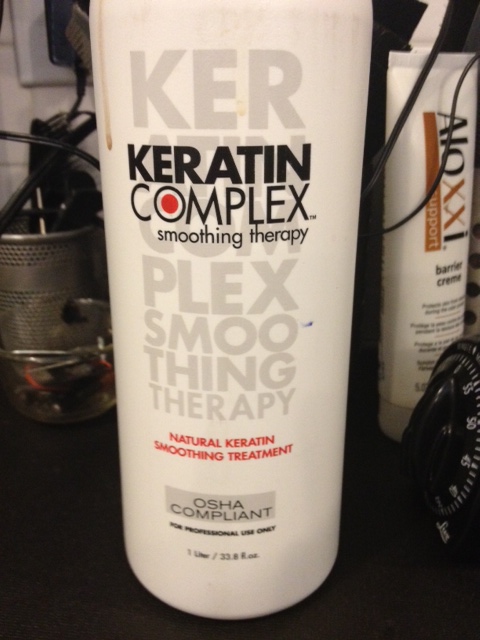
(Keratin Complex has aldehydes that when used with the Flat Iron form formaldehyde. Pure and simple fact. Read there MSDS sheet if you can get one. I don’t think that the manufacturers are the ones who are going to “set the record straight.” There is bit of conflict of interest here. I would tend to trust third party (A Chemist) more than someone who has something to lose if we stop buying their products. Also on the container it is read as, “OSHA COMPLIANT”. OSHA does not endorse and or all beauty products. See how a manufacturer can stretch there usage of words. By the way OSHA did send Keratin Complex a letter to change there wording on the product label.)
These products are used for your home use and also for services that are given to you in a professional salon. Take it from me everyone, so called professionals in my industry are the sheep of all sheep. They will take the word of a sales person coming in there salon front door. And listen to the advertising SPEAL from them and the next thing they will ask the salesperson is “How much is a whole line? Do you have a intro deal?, Do you take payments?”. Not bothering to ask for the MSDS sheet for the product. A MSDS sheet is required by law from a manufacturer to the person using, purchasing or selling the product to see the listed ingredients in any and all chemical or hair and skin products used on a consumer in a so called licensed professional beauty salon.
In this day and age the FDA is your GOVERNMENT watch dog for you. According to the United States Food and Drug Administration (FDA), its responsibilities include “[protecting the public health by assuring that foods are safe, wholesome, sanitary and properly labeled.” This responsibility entails regulating a large number of companies producing this nation’s food, making appointments to the high-level positions within the agency very important. And anything and everything they say you should take there (FDA) word on if it is healthy, toxic, or illegal.
But in this day and age would you take the governments word!
A good example is the 1976 slogan in which a soft drink manufacturer claimed that their product “Adds Life”, thus giving consumers the impression that the product was not only refreshing, but also somehow added to their well-being. The slogan should have read something to the effect that the product “is addictive, will rot teeth and will contribute to obesity and diabetes”. Tobacco companies have typically used beautiful, young, wealthy-looking models with perfect teeth to advertise their products, when the “grim reaper” would be more appropriate.
Don’t Read Slogans – Read Labels
Take the time to read labels on packaging to find out what exactly it is you are buying. Packaged cereal such as muesli is considered by many to be an excellent breakfast choice. However, a closer look at the ingredient list will reveal that many muesli products are packed with refined sugar, fat and preservatives. Don’t be fooled by slogans such as “Nature`s Choice”, “Nature`s Best” or “Happy and Healthy”. These slogans imply that the contents are nutritious and wholesome when they are often far from it.
Manufacturers will also try to get around legislation regarding honest labeling. For example, in Australia and New Zealand, the word “light” can only be used if the ingredients it refers to meets the criteria for low fat and sugar content. However, companies increasingly use the word “lite” to get past this requirement.
When Organic Doesn’t mean Organic
Shampoo manufacturers are notorious for dishonest labeling. “Organic” is a favorite word they use, suggesting of course, that their product is a healthy pure organic product to use to wash your hair. Careful scrutiny of the ingredient list will reveal that many shampoos with this slogan are as far from being organic as the next cheap, toxic shampoo on the shelf.
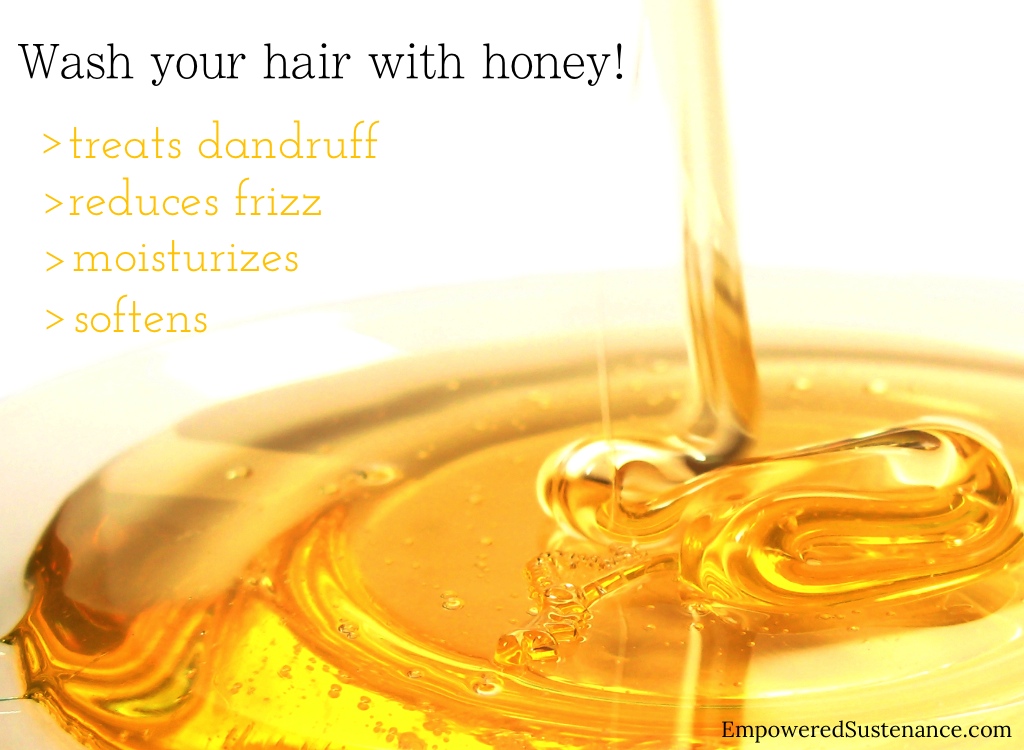
Golden Syrup is not Honey
Golden syrup is a pale treacle made during the process of refining sugar cane juice into sugar; or by treatment of a sugar solution with acid. While it may have an appearance similar to honey and is often used as a substitute for honey, it is a pure cane sugar product. Slogans on the can may lead the consumer to believe that syrup is the same as honey.
Don’t be fooled by misleading Brand Names beauty products. slogans and pictures. Be informed about the products you use. Research the product if you can, or at the very least, read the ingredients listed on the packaging.
IT’S ALL ABOUT PERCEPTION!!!


You must be logged in to post a comment.