Too Much Responsibility, Not Enough Pay

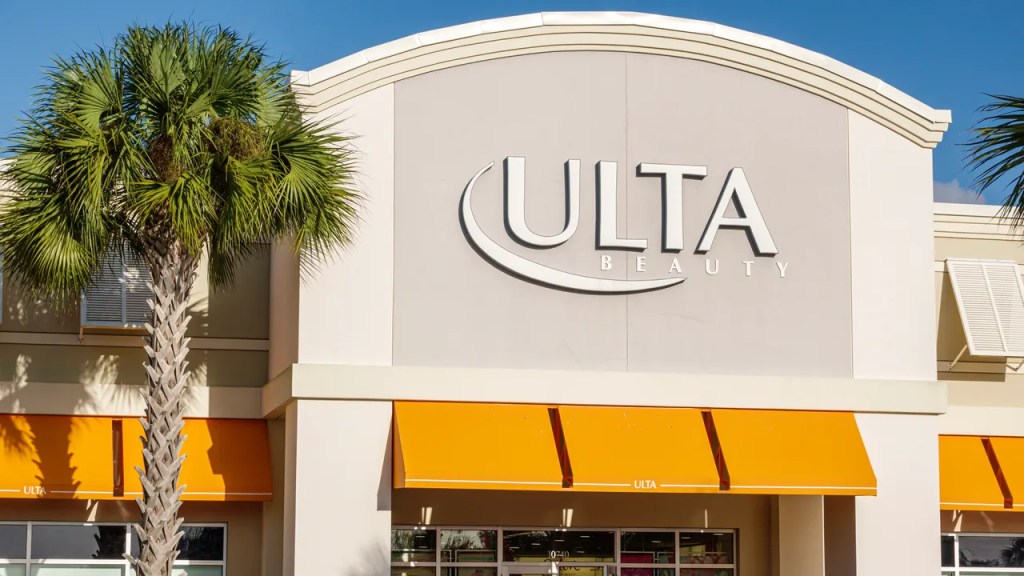
A former Ulta manager’s experience working for the beauty retailer has drawn many viewers and sparked discussion among commenters on TikTok. Posted by user Kenya Broadnax (@kbmakeupme24), the two-part retelling of her three years of experience with the company has drawn over half a million views as of Sunday. She has previously shared experiences working for other companies. In her first video, she says she worked for the beauty retailer from 2012 to 2015, starting as a cashier and working her way from a cashiering position up to a prestige manager position.

When she first took her position as a prestige manager within the store, she says she was offered $10 per hour because she did not have a college degree, even though the store’s standard for management was $17 hourly. They eventually agreed to $14 an hour, which she says their payroll specialist called “pushing it.” “The communication was terrible, payroll was terrible, the lack of schedule was terrible,” she says in the video. “We would open the store with two people—a manager and a cashier—and the manager would be in the office the entire time. As the cashier, you’re up at the front by yourself doing returns, doing exchanges, checking customers out, you’re color matching in prestige, you’re helping people, you’re trying to deter theft, all one person doing that entire job for at least two to three hours before someone shows up to cover you.”

During her time at Ulta, she says she did not have the opportunity to take lunch breaks and worked under unprofessional management who were transphobic. In a second video, she says she essentially had too much responsibility for not enough pay and was expected to oversee more than she realistically felt able to with an understaffed team.

The Daily Dot has reached out to Broadnax via Instagram direct message, as well as to Ulta directly via email regarding the video. Several viewers expressed frustration on behalf of the poster and shared that they had similar stories about working for Ulta. “Sometimes I don’t know who Ulta hates more: clients or employees,” one commenter wrote. “That was definitely the company wide culture at that time,” another user said. “I got so fed up I walked out during my shift in 2015.” “Working at Ulta was the worst decision I have ever made in my life,” one user echoed.

Why Beauty Lawsuits Are Set to Increase (Part One)

Beauty companies seem to be coming under increasing fire with lawsuits, fueled in part by the rise of Tik-Tok and other social media platforms, and legal experts are expecting the number of cases to surge. For a quick recap of the current ones garnering the most attention.

In a suit against Olaplex, several plaintiffs have claimed they have sustained personal injuries to their hair and scalp including hair loss and damaged hair, something chief executive officer JuE Wong has vehemently denied on social media. There’s also a case against L’Oreal, in which Missouri resident Jennifer Mitchell filed a lawsuit against the beauty giant and a slew of other companies, claiming that her uterine cancer was “directly and approximately” caused by her regular and prolonged exposure to phthalates and other endocrine-disrupting chemicals found in their hair care products. Recently, it was consolidated into a new class action multi-district litigation (MDL).

Then there’s the suit against Sephora where Lindsey Finster alleged that a significant percentage of products with the “Clean At Sephora” tag contain ingredients inconsistent with how consumers understand this term. In particular, it claimed that Saie Mascara 101 contains numerous synthetic ingredients, several of which have been reported to cause possible harm.

“If you Google the Olaplex case, that says it kind of started from Tik-Tok. As an attorney, it is crazy to think that trends in litigation are going to come from social media outlets,” said Marissa Alkhazov, a shareholder in Buchalter law firm’s Seattle office and the Northwest chair of the firm’s products liability practice group. “But the fact of the matter is that information is spread so widely now, and there’s this huge audience and our society is more litigious.”

Kelly A. Bonner, an associate at law firm Duane Morris, added that a growing interest and concern by consumers about what’s in their products and the mainstreaming of clean beauty products, which has become a very big business, along with competing ideas about what constitutes clean, are other driving factors, compounded by media coverage.

“You have a 24/7 global media landscape that amplifies those concerns and you add to that a very active and increasingly organized plaintiffs’ bar and what you’re going to see are a lot more cases, a lot more attention and a lot more media coverage,” she said.

While beauty suits are nothing new with a class action suit brought against Los Angeles hair stylist Chaz Dean’s brand Wen in 2016 among past cases, John Gardella, a shareholder at CMBG3 Law, believes that a focus on ESG practices also means there is likely to be an uptick in suits similar to the one against Sephora that is currently playing out in court. (The L’Oreal and Olaplex cases are considered product liability suits, while Sephora is involved in a consumer fraud litigation.)

“There’s a big push in the U.S. on that particular topic and it’s caught the attention of many plaintiffs’ attorneys in terms of how various industries are marketing their products and whether or not they are truly as they say,” he said.

“I think almost every company markets their products in some way being safe to use, environmentally friendly, clean, things like that,” he continued. “The nature of the beauty industry at the moment is such that there are many synthetic products or components in those products. So the plaintiffs’ attorneys have certainly taken a closer look at exactly what’s being said as compared to what is in those products and that’s driving a lot of lawsuits that we’re seeing.”

Coty Changing The Definitions Of Beauty

One of the world’s largest beauty companies with a portfolio of iconic brands across fragrance, color cosmetics, skin and body care, launches a new campaign to change the dictionary definitions of beauty. The #UndefineBeauty campaign recognizes that the current English language definitions of the term ‘beauty’ are outdated and no longer reflect the values of today’s society. Specifically, the examples cited under the current entries for ‘beauty’ across the leading English dictionaries are both limiting and exclusive.

Sue Y. Nabi, Coty’s CEO, has written an open letter to the major Dictionary houses, co-signed by the Company’s Executive Committee and Senior Leadership Team, highlighting the outdated nature of their definitions, and their need for review.

Sue Y. Nabi said, “Seen through the lens of today’s society and values, the definition of beauty hasn’t aged well. Of course, not all people are impacted by, or feel excluded by these definitions. But the implicit ageism and sexism in the examples were born in a different time. We believe it’s time to bridge the gap – time to bring the definition to where society is today. By changing the definition, if more people feel included – feel beautiful – there will be a ripple effect which touches us all.”

“At Coty, we believe that no one can control or dictate what is, or is not, beautiful,” said Sue Y. Nabi. That is why the campaign to #UndefineBeauty aims to ‘undefine’ rather than simply ‘redefine’ beauty, so that no one feels excluded by the definition or examples that accompany it. Founded in Paris in 1904, Coty is one of the world’s largest beauty companies with a portfolio of iconic brands across fragrance, color cosmetics, and skin and body care. Coty serves consumers around the world, selling prestige and mass market products in more than 130 countries and territories. Coty and our brands empower people to express themselves freely, creating their own visions of beauty; and we are committed to making a positive impact on the planet.

Radiance Holdings, Owner of Sola Salons, Bought by TSG

Private equity firm TSG Consumer Partners (“TSG”) has announced the acquisition of a majority stake in Radiance Holdings, a high-growth platform representing a collection of premier brands in the beauty, wellness, and self-care sectors. As part of the transaction, Radiance Holdings’ management team will continue to lead the company. Financial terms of the transaction were not disclosed.

The company, based in Denver, Colo., is committed to investing in its brands, driving innovation, and helping their franchisees and community of independent beauty professionals grow their businesses and improve their lives. Radiance Holdings’ current portfolio is approximately 85 percent franchised and includes the following brands:

  • Sola Salons: Founded in 2004, Sola Salons is the world’s largest and fastest growing salon studios franchise with approximately 650 locations across the U.S. and Canada as of December 2022. Sola Salons rents premium suites to individual beauty care professionals, providing them with more autonomy and better economics than traditional salons.
  • Woodhouse Spas: Founded in 2001, Woodhouse Spas is the largest premium day spa brand in the U.S. with approximately 80 locations across the U.S. as of December 2022. Woodhouse Spas feature a multi-modality platform, anchored by massage and skincare, which brings resort-level quality to convenient neighborhood locations.

“TSG has an impressive track record of building and scaling world-class beauty and franchising brands, and we are thrilled to work with them,” said Christina Russell, CEO of Radiance Holdings. “We couldn’t be more excited to leverage TSG’s resources and expertise as we look to expand our platform and enhance our value proposition for franchisees, beauty care professionals, and consumers across our portfolio. As we build on our momentum and the powerful growth opportunities ahead, it’s critical that we collaborate with a partner that understands our business and has been down a similar road many times with brands that we admire.”

“Radiance Holding is empowering a new generation of beauty professionals seeking to work independently and offer their clientele more control over their salon experience, a trend accelerated by the pandemic,” said Michael Layman, managing director at TSG. “Their portfolio of differentiated brands are exceeding consumer expectations and are well positioned for further growth.”

Pierre LeComte, managing director at TSG, said, “We look forward to partnering with Christina and the management team to continue scaling their national platform in beauty and personal care through a variety of initiatives, including thoughtful digital marketing efforts developed in collaboration with TSG’s Digital Team, accelerated franchise development, strategic acquisitions, and service line extensions.”

Exposure To Benzene Is Not Safe

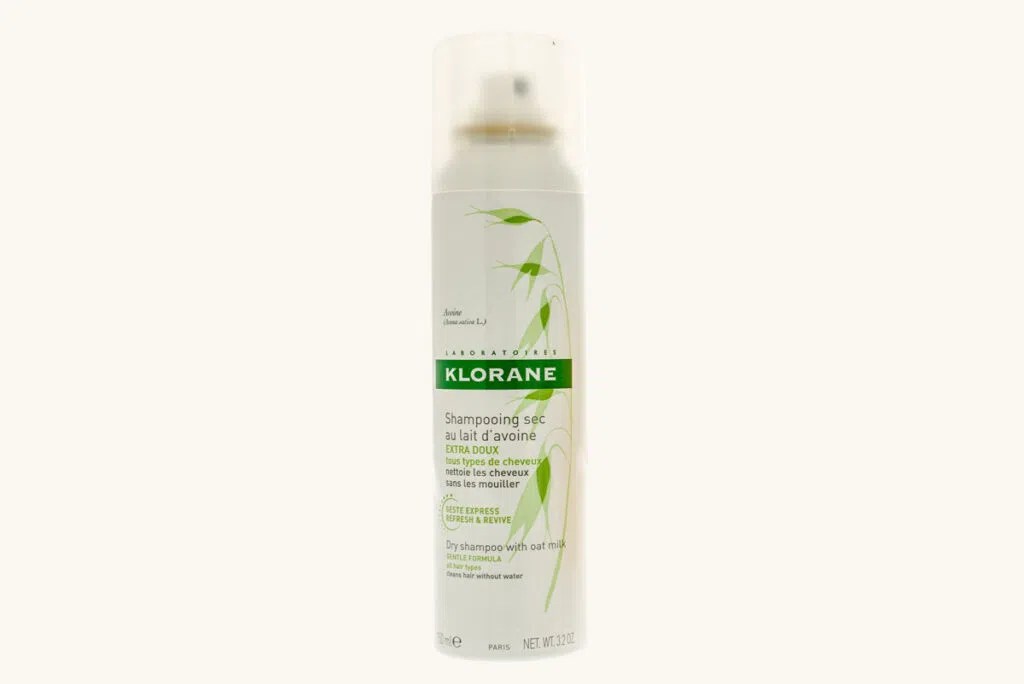
Two customers sued Pierre Fabre USA Inc., the maker of Klorane dry shampoo. The consumers claim that Klorane dry shampoo contains benzene, a carcinogen. The Klorane class action lawsuit was filed in the U.S. District Court for the Northern District of Illinois.

Two Illinois consumers claim that Klorane dry shampoo contains benzene, a human carcinogen. Plaintiffs Magdalena Bojko and Courtney Heeren claim they have each spent at least $40 on Klorane dry shampoo and purchased Klorane Dry Shampoo with Nettle and Klorane Dry Shampoo with Oat Milk. Allegedly, they relied on the labeling and advertisements of the products to make their purchasing decision. Bojko and Heeren claim that Pierre Fabre does not disclose the presence of benzene in its products so they purchased the dry shampoo believing it to be safe for use, according to the Klorane dry shampoo class action.

Bojko’s and Heeren’s claims that Klorane dry shampoo contains benzene are part of a concern that the carcinogen may be present in a range of aerosol dry shampoos. Valisure, an independent laboratory, petitioned the Food and Drug Administration to test various dry shampoos for benzene after discovering the presence of the chemical in some products, the Klorane benzene lawsuit states.

Benzene appears in the aerosol Klorane dry shampoo as a propellant, allowing the product to be aerosolized, the class action claims. Allegedly, benzene and other volatile propellants are derived from crude oil. 

While people come into contact with low levels of benzene in many contexts, the FDA has determined that no level of exposure to benzene is safe, the Korane benzene class action states. It claims that benzene exposure has been linked to the development of many types of cancers.  

Bojko and Heeren claim that when customers use the dry shampoo, they spray it very near their face in what is likely a closed environment, like a bathroom. This means they likely breathe in the product, according to the lawsuit. Bojko and Heeren also seek financial compensation for themselves and other consumers, claiming that they were financially injured by Pierre Fabre and the company’s failure to adequately inform consumers of the benzene in Klorane.

Magdalena Bojko and Courtney Heeren are represented by Gary Klinger, Nick Suciu III, Erin J. Ruben and Alex Honeycutt of Milberg Coleman Bryson Phillips Grossman PLLC, Jeff Ostrow and Kristen Lake Cardoso of Kopelowitz Ostrow Ferguson Weiselberg Gilbert and Max S. Roberts and Sarah N. Westcot of Bursor & Fisher PA.