Beauty Business Report 2018 – Cost & Trends

At first blush, the beauty industry could be thought to cater only to the glamorous, or perhaps the vain, or maybe just those in the spotlight. And it does – along with everyone else! The industry is built on the product and services that help us look our best – whatever that best may be. It’s more diverse than you think and it’s certainly not just the makeup, hair color and perfume – it’s also the deodorant, toothpaste and even the ear hair clippers. It’s not just the salons – it’s the barber shops, waxing franchises, massage franchises and a whole lot more. It is every product and service dedicated to helping us look – and smell – the way we want, or the way we believe we should for professional reasons. And our definition of beauty is malleable and ever changing – providing never ending opportunities for the industry to innovate.

Historically trends were driven by celebrity taste-makers through their personal choices or professional endorsements. Those days are gone, or nearly so. 82% of women now believe that social media drives these trends. It’s a constant flow of information and opinion from not just trendsetters or celebrities, but from friends and friends of friends and an entire universe of strangers. But however they are set, there is a large industry ready, willing and able to cater to them. It is resistant to economic downturns and poised for even more growth. For the entrepreneur there are plentiful representative sales opportunities within companies like Avon or Arbonne and many more traditional franchising opportunities providing a slew of services.

As it turns out, it takes a lot of effort to keep us looking and smelling our best – an absolute army of products and services, in fact. Cosmetics, skin care, hair styling, hair coloring, hair removal, nail salons, tanning salons, massage parlors and luxury spas, shower and shaving product, perfumes, colognes…and a whole lot more. And that’s where it starts to get interesting – within each of these segments are products for every different skin tone or texture, allergy, age, hair type or color, sex – even the time of day! It is a level of diversity and nuance that may go unnoticed to the casual observer. Some of us, in fact, are overwhelmed by all those rows of shaving cream. But increasingly we are the minority – most consumers care, are discerning, and will try a number of different products before finding something that works. Once they find it, however, brand loyalty – whether for a shampoo or a particular salon – is extremely strong.

Producers differentiate themselves through their target demographic markets, price point and with different manufacturing processes. Products that promise no animal testing or that are all natural, for example, have loyal, niche markets and can often charge a premium.

Service providers compete primarily through price, location as well as their target demographic markets. Types of service and the related products that are offered are vital to profitability. Hair salons and barber shops, for example, rely on 5-15% of their revenue from hair care product sales. The beauty industry is known to be resistant to economic downturns – even faring well during the Great Recession of 2008. Though consumers tend to be more price conscious during those times, they do not stop spending. So in today’s environment of rising per capita incomes the beauty business is booming. In 2015 the industry generated $56.2 billion in the United States. Hair care is the largest segment with 86,000 locations. Skin care is a close second and growing fast, expected to have revenue of almost $11 billion by 2018. This growth is being driven in part by a generally increasing awareness of the importance of skin care, but also specifically due to an increase in the market for men.


According to the Bureau of Labor Statistics, there are nearly one million people employed in the primary service segments of the market, and there are strong growth expectations. Clearly this is an industry on the rise:

  • Barbers, hairdressers and cosmetologists: 656,000 in 2014, 10% expected growth by 2024.
  • Manicurists and pedicurists: 113,600 in 2014, 10% expected growth by 2024.
  • Skincare specialists: 55,000 in 2014 with a 12% expected growth by 2024. Specific growth expected for businesses serving men.
  • Massage therapists: 168,800 employed in 2014 with a whopping 22% growth by 2024!
  • Organic products & products produced in a sustainable (environmentally conscious) manner. Certainly a niche market for many years, but greater availability of information about the benefits – personal or global – are driving increased growth.
  • Products and services focused on our aging population. Said plainly – we have a large retired/retiring population, and many of them have money to spend.
  • Products and services focused on babies and young children. This is frequently related to the organic/sustainable movement above. In particular, millennial moms are willing to pay a premium to make sure their kids have the proper skin protection. Other franchises such as Cookie Cutters focus on providing an amazing experience for kids – turning a trip to get the tips trimmed into an adventure.
  • Men’s product and services – this trend is still relatively new but is expected to drive growth for years to come. Places like the Boardroom Salon claim to provide the ultimate relaxation experience for men while the Hair Saloon and 18/8 Men’s Hair Salon are reinventing the barbershop.And it is just the tip of the iceberg.It is estimated that 75% of men are not using any sort of facial skin care, but interest continues to grow.

As mentioned above, it’s important to remember that many beauty franchises derive up to 15% of their revenue from product sales; putting the right product on the shelves can make or break a business. Some manufacturers have a franchising distribution system of their own and even offer training programs, or partner with a particular service provider. With strong and growing demand, employment estimates through the roof to meet that demand and a strong history of being a steady business even in turbulent times, the beauty industry continues to provide fantastic opportunities.


Regis is closing SmartStyle salons in 600 Walmarts

Regis Corporation, the hair care chain based in Edina, has announced it will be closing 600 “nonperforming” Regis SmartStyle salons, which are located inside Walmarts, on Jan 31. It will leave it with 2,000 other salons, also located within Walmarts, with the decision being taken “to improve shareholder value and position the company for long-term growth.”  It’s not been announced yet which Smart Styles will close, with Regis saying it will offer stylists and managers jobs at other locations, as it intends to grow the salons it’s keeping.

According to the Regis website, there are currently 39 SmartStyle salons at Walmart locations in Minnesota. While the closing locations have not yet been revealed, it’s probable that at least some of those affected will be in Minnesota. Most of the state’s Smart-Style salons are found in Walmart’s outside of the Twin Cities. Salons in the metro area are located at Maple Grove, Blaine, Brooklyn Center, Burnsville, Lakeville and Shakopee Walmarts. The Business Journal notes that Regis’ move to close the company-owned locations comes after a period of months in which its sold 1,000 of its other salons to a private equity firm and hundreds more SmartStyle locations to franchisees. It comes despite Congress recently passing a tax bill that will cut corporate tax rates from 35 percent to 21 percent, which is expected to significantly reduce major companies’ bottom lines. But CEO Hugh Sawyer said the decision is “consistent with our multi-year strategic plan” that will allow it to grow its remaining salons.

Regis CEO Hugh Sawyer said that the closings of the “nonperforming” locations was another step in the company’s efforts to restructure its business. The company has been working to re franchise many of its company-owned stores and improve performance at the locations it’s holding onto. Regis splits its business between value-based brands, like Smart Style and Supercuts, and premium brands like Regis Salon. Sawyer took over as CEO last April, replacing Dan Hanrahan. Previously, Sawyer had worked at Chicago-based Huron Consulting Group, which Regis had hired to help it evaluate strategic moves for some of its salons. Since then, Regis has sold 1,000 salons to Los Angeles-based private equity firm Regent, sold hundreds of other SmartStyle locations to franchisees and closed other company-owned sites.

“Regis is committed to maintaining our leadership position in the salon industry,” Sawyer said in a statement. “As a result, we are making significant strategic and operational changes to our business to increase customer traffic, invest in new technologies, decrease non-strategic costs, expand our franchise capabilities and create a new Eco-system for customer interaction.” Regis said it doesn’t plan any further moves in its SmartStyle salon portfolio for the near future. It’s not clear how many employees will be affected; Regis said that it plans to offer many stylists and managers jobs at other locations. Regis ranked No. 25 on the Business Journal’s list of largest public companies in Minnesota last year with revenue of $1.75 billion. That revenue is expected to decline this year; prior to the latest round of closings, analysts had forecast 2018 revenue of about $1.25 billion.


Think Real Good Before Using These Cosmetic Products

Keratin Hair Products

What are they? Keratin is the protein from which hair is made. Many shampoos and conditioners claim to include keratin and promote the protein’s restorative qualities. The products’ labels say they can repair damage caused by over-processing.  Why should you think twice? Most hair products that advertise the benefits of keratin don’t actually contain it or even specifically target the protein. To make matters worse, there is no evidence that keratin additives benefit hair health or growth.  As a result, ClassAction.com has filed a false advertising lawsuit against Matrix and L’Oreal, claiming their products do not contain keratin and therefore are unable to provide the benefits they advertise. If you have purchased keratin hair products made by these companies, contact us today to find out if you are owed money.

Hair-Smoothing Products with Formaldehyde

What are they? Hair-smoothing products are meant to control frizz and curls for an extended period of time; they often contain formaldehyde. The application process is usually done in a professional salon and requires heat from a flat-iron or blow dryer.  Why should you think twice?  When formaldehyde and related ingredients such as methylene glycol are heated, formaldehyde gas is released into the air, which can be hazardous to your health. The FDA and The Occupational Safety and Health Administration (OSHA) have issued warnings about Brazilian Blowout Acai Professional Smoothing Solution and Brasil Cacau Cadiveu, citing safety and labeling violations.  Exposure to formaldehyde can cause health problems such as headaches, dizziness, nausea, chest pain, respiratory-tract problems, eye irritation, rash, and more. The labeling violation letters allege that the product labels do not warn people of these potential harmful effects.  The FDA recommends avoiding products that contain formaldehyde, formalin, or methylene glycol, and to report any adverse reactions.


“Natural” Products that Contain Synthetic Ingredients

What are they? Due to increasing consumer demand, many brands are starting to create more “natural” products and trying to stay away from using synthetic and artificial ingredients.  Why should you think twice?  In recent years, certain brands have come under fire for labeling products as “natural” when in fact they contain synthetic and chemical ingredients. In 2016, Unilever settled a class action suit levied against its TRESemmé Naturals product line for $3.25 million and discontinued the line.  Another class action suit was filed in February 2017 against Procter & Gamble’s Herbal Essences Wild Naturals line for misleading labels and false advertising.  If you purchased a Babyganics, keratin, or other hair product and think you fell victim to false advertising, contact us for a free legal consultation. You could be eligible for a class action lawsuit.


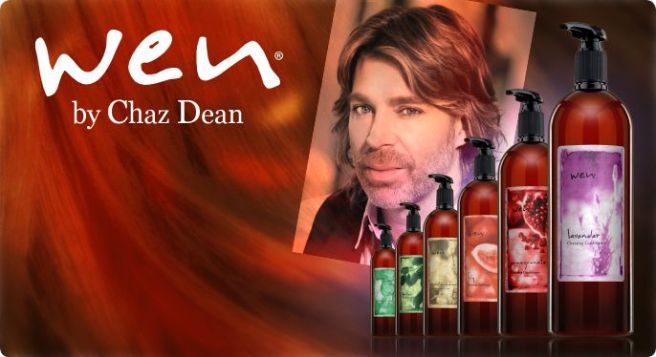
WEN® by Chaz Dean

What is it? Founded by celebrity hair stylist Chaz Dean, WEN® is a line of sulfate-free hair care products. The WEN Cleansing Conditioner promises to clean, nourish, moisturize, detangle, and strengthen hair, all in one product and without the use of harsh sulfates. WEN’s website says it has sold over 40 million products since 2008.  Why should you think twice? In 2015, more than 200 women joined a class action lawsuit claiming that use of the WEN Cleansing Conditioner led to extreme hair loss, hair breakage, scalp irritation, and rash.  The lawsuit also alleged that WEN misled customers with deceptive marketing, and that the company blocked or removed negative comments and reviews from its website and social media pages.  WEN settled that lawsuit for more than $26 million. The FDA is currently investigating the cleansing conditioner and warns consumers to stop using the product if they experience any adverse reactions.


Babyganics

What is it? Babyganics is a Westbury, New York-based company that claims to sell baby-safe, organic household and childcare products (shampoos, lotions, wipes, detergents, etc.). It has grown rapidly over the past 15 years, generating $30 million in revenue in 2013 and securing a sale by SC Johnson in 2016.  Why should you think twice? Many parents allege that Babyganics products are not as organic or kid-friendly as they appear.  As a result, multiples lawsuits have been filed against Babyganics in recent years.  A class action suit filed by ClassAction.com alleges that Babyganics misled consumers through labeling that claimed certain bath products were “tear-free,” gentle, non-allergenic, and safe for infants—when in fact they contain substances that are eye irritants. Another class action lawsuit filed in September 2016 alleges that products labeled as “organic” or “mineral-free” actually contain ingredients that are neither.  One mother also claimed that Babyganics baby wipes caused her five-week-old baby to break out with a bumpy rash on his face.  PrMost serious of all, Theresa Jones alleges that Babyganics’ tear-free shampoo burned her son Hunter’s eyes, potentially causing serious and permanent damage.

Statement on FDA Investigation of WEN by Chaz Dean Cleansing Conditioners 2017

FDA previously announced that it is conducting an investigation of adverse event reports for WEN by Chaz Dean Cleansing Conditioner products, including reports of hair loss, hair breakage, balding, itching and rash. FDA has received and continues to receive reports of adverse events, as the investigation is still ongoing. In the course of its investigations, the FDA is looking at all sources of information, in order to better understand the consumer reports of adverse events. There are many potential causes of hair loss, including, for example, certain illnesses, medications, hormonal changes, rapid weight loss or gain, anemia, and high-stress life events, and these factors are being taken into account as the FDA continues to investigate these reports. If you experience hair loss, you should contact your healthcare provider. As with any cosmetic product, if you experience an adverse event that you think may be related to use of WEN by Chaz Dean Cleansing Conditioner, you should also cease using the product and report the event to the FDA.

The FDA is investigating reports of hair loss, hair breakage, balding, itching, and rash reported to be associated with the use of WEN by Chaz Dean Cleansing Conditioner products. While the FDA continues its investigation, consumers should be aware of reactions reported in association with the use of WEN by Chaz Dean Cleansing Conditioner products. Consumers who experience a reaction after using WEN by Chaz Dean Cleansing Conditioner products should stop using the product and consult with their dermatologist or other health care provider. The agency also urges consumers to report to FDA any reactions they may have experienced when using these products.

As of November 15, 2016, the FDA had received 1,386 adverse event reports directly from consumers about WEN by Chaz Dean Cleansing Conditioner products, the largest number of reports ever associated with any cosmetic hair cleansing product, including cleansing conditioners. We also are investigating more than 21,000 complaints reported directly to Chaz Dean, Inc. and Guthy Renker, LLC that we learned of during inspections of manufacturing and distribution facilities.

The FDA has not yet determined a possible cause for the adverse events that have been reported, and today has called on the company to “provide any data that might help us to better understand the reports of hair loss associated with the use of WEN by Chaz Dean Cleansing Conditioner products.” The FDA also has reached out to physicians and other health care providers asking them to notify their patients of hair loss and other complaints associated with the use of these products and to report adverse events to the agency.

The FDA will provide additional updates as new information becomes available.


ClassAction.com filed a lawsuit against L’Oreal and Matrix

Always in trouble they are, in a industry were you have manufacturing deception and price gouging. It come to me this is the same old same old crap in my industry.  I was once told when I entered in the beauty its a ‘whore’s business”, or the beauty shows are “flea markets”. That was the best advice and description I could have ever have gotten. And as time has past in my 30 years I see nothing has or will change in my industry. Shop to you drop are the ‘Beauty Shows”. It’s all soap my friends with maybe a little oils, or fragrance. That”s all it is.  So as usual the manufacturers will say anything advertising wise to make a sell to you as the consumer and as to me the professional. I never fall for it anymore.  It has been a very long time since I have been to a “hair show – flea market” that I have lost my respect for the manufacturers. Also they are filled with “snake -oil” salesmen and saleswomen to be correct.  Buy this and buy that will be the first impression from them, I once did a documentary called ‘The real Hair Truth” and we had a few snake oil sales men in it. These are people who will go from company to company selling there “speal” to them for a paycheck. And offering there devotion to them for a few nickels. Most of them do it because of a over sized ego. And most of them there work looks no better than a beauty school drop out. But the manufacturers will place anything on a bottle or label.  Its makes no difference to them if they get caught they will pay penny’s on the dollars in civil court. big Deal, no worry’s maybe they will say a batch of products did not have the “SECRET INGREDIENTS”. MERELY A TECHNICAL GLITCH WITH THE FACTORY MACHINERY.

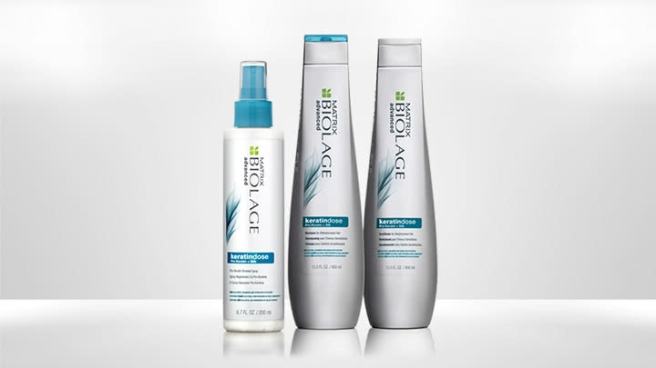
In the latest case of a company allegedly promising ingredients and benefits its products do not offer or contain, last week ClassAction.com filed a false advertising lawsuit against L’Oreal USA and Matrix Essentials over an array of hair products that appear not to contain the protein keratin.

The products cited in the complaint are the following:

  • Matrix Biolage Keratindose Pro-Keratin + Silk Shampoo
  • Pro-Keratin + Silk Conditioner
  • Pro-Keratin Renewal Spray

The 39-page complaint—filed in the Southern District of New York on January 26, 2017—states:

Through its uniform, nationwide advertising campaign… Defendants have led consumers to believe that their Keratindose Products actually contain keratin and will confer the claimed benefits of keratin to the consumer.

In reality, the Keratindose Products do not contain any keratin at all and are incapable of providing the claimed benefits of keratin to the consumer.

The complaint states that the products’ labels are “false, deceptive and misleading, in violation of the Federal Food Drug & Cosmetics Act and its parallel state statutes, and almost every state warranty, consumer protection, and product labeling law throughout the United States.”

The plaintiffs seek relief for damages, for the defendants to stop engaging in the deceptive advertising alleged in the complaint, and any other relief the Court deems just and proper.

Click on the link to download the file to read. Loreal_Matrix_Keratin_Lawsuit(1)

I am not surprised at all with the lawsuit, but what is surprising to me in my industry we have this so called organization called the “PBA” PROFESSIONAL BEAUTY ASSOCIATION.  THEY DO NOT SAY A PEEP ABOUT ANY OF THESE LAWSUITS OR DO ANY INVESTIGATING AT ALL. BECAUSE THEY ARE IN BED WITH THE MANUFACTURERS.  They tought themselves as the watch dawg’s for the beauty business. Basically if you join them they charge you $300.00 for membership and give you a 10% discount on a hair show.  I call them the Professional bullshit association. They do nothing for the professional but they will sure do a lot for the manufacturers. And anything to do with Licensureship, anything that will hurt the manufacturers schools or state boards they will jump on in a minute. Because if they reported the truth about the industry they would lose manufacturers dollars. They use that to sustain themselves. With out that they would be history. Good day everyone.