Beauty companies seem to be coming under increasing fire with lawsuits, fueled in part by the rise of Tik-Tok and other social media platforms, and legal experts are expecting the number of cases to surge. For a quick recap of the current ones garnering the most attention.
In a suit against Olaplex, several plaintiffs have claimed they have sustained personal injuries to their hair and scalp including hair loss and damaged hair, something chief executive officer JuE Wong has vehemently denied on social media. There’s also a case against L’Oreal, in which Missouri resident Jennifer Mitchell filed a lawsuit against the beauty giant and a slew of other companies, claiming that her uterine cancer was “directly and approximately” caused by her regular and prolonged exposure to phthalates and other endocrine-disrupting chemicals found in their hair care products. Recently, it was consolidated into a new class action multi-district litigation (MDL).
Then there’s the suit against Sephora where Lindsey Finster alleged that a significant percentage of products with the “Clean At Sephora” tag contain ingredients inconsistent with how consumers understand this term. In particular, it claimed that Saie Mascara 101 contains numerous synthetic ingredients, several of which have been reported to cause possible harm.
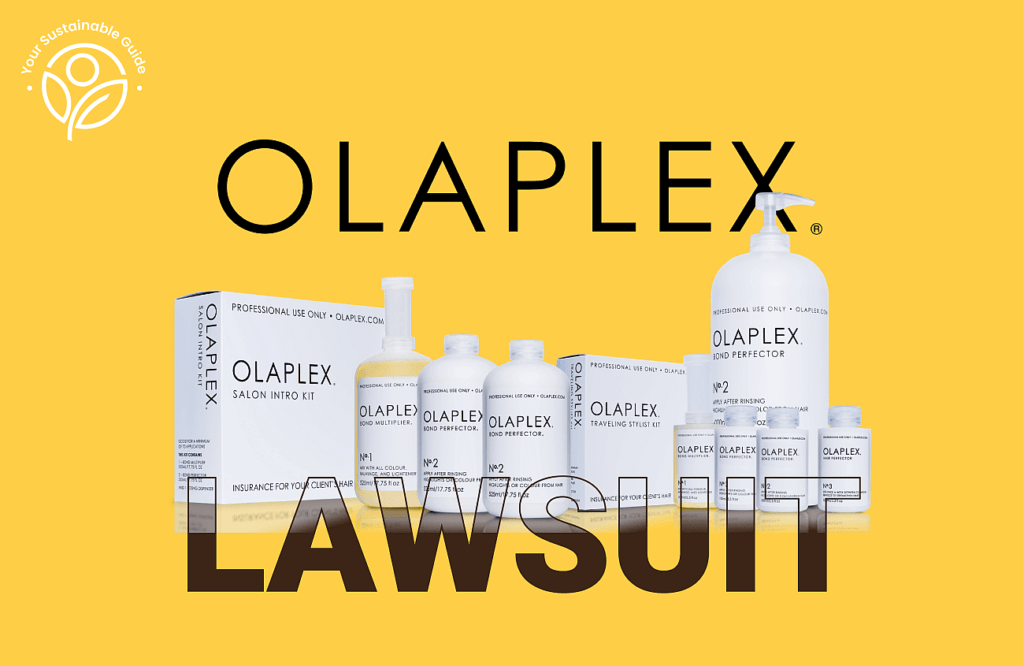
“If you Google the Olaplex case, that says it kind of started from Tik-Tok. As an attorney, it is crazy to think that trends in litigation are going to come from social media outlets,” said Marissa Alkhazov, a shareholder in Buchalter law firm’s Seattle office and the Northwest chair of the firm’s products liability practice group. “But the fact of the matter is that information is spread so widely now, and there’s this huge audience and our society is more litigious.”
Kelly A. Bonner, an associate at law firm Duane Morris, added that a growing interest and concern by consumers about what’s in their products and the mainstreaming of clean beauty products, which has become a very big business, along with competing ideas about what constitutes clean, are other driving factors, compounded by media coverage.
“You have a 24/7 global media landscape that amplifies those concerns and you add to that a very active and increasingly organized plaintiffs’ bar and what you’re going to see are a lot more cases, a lot more attention and a lot more media coverage,” she said.
While beauty suits are nothing new with a class action suit brought against Los Angeles hair stylist Chaz Dean’s brand Wen in 2016 among past cases, John Gardella, a shareholder at CMBG3 Law, believes that a focus on ESG practices also means there is likely to be an uptick in suits similar to the one against Sephora that is currently playing out in court. (The L’Oreal and Olaplex cases are considered product liability suits, while Sephora is involved in a consumer fraud litigation.)
“There’s a big push in the U.S. on that particular topic and it’s caught the attention of many plaintiffs’ attorneys in terms of how various industries are marketing their products and whether or not they are truly as they say,” he said.
“I think almost every company markets their products in some way being safe to use, environmentally friendly, clean, things like that,” he continued. “The nature of the beauty industry at the moment is such that there are many synthetic products or components in those products. So the plaintiffs’ attorneys have certainly taken a closer look at exactly what’s being said as compared to what is in those products and that’s driving a lot of lawsuits that we’re seeing.”

 The Real Hair Truth
You must be logged in to post a comment.